Most Japan honeymoon itineraries fail in the same way: they are designed as sightseeing trips that happen to have two people on them. Japan is extraordinary for couples, but its romance lives in unhurried moments — a ryokan dinner, an early garden, a counter seat — and those need space around them. This guide shows how we think about shaping a honeymoon by length, and where couples most often over-plan.
Start with bases, not sights
Every hotel change costs you half a day: packing, checking out, a train, finding your way, checking in. On a honeymoon, that is time you could spend together doing very little, which is often the point. We usually suggest choosing two or three bases and making day trips from them rather than moving every night.
A good rule of thumb is no more than one move every three nights, with one intentional exception: a single night in a ryokan, which is a destination in itself rather than a place to sleep.
Seven days: Tokyo, a ryokan night, and Kyoto
With a week, resist the urge to add Osaka, Hiroshima and Nara. Three nights in Tokyo, one in a hot spring area such as Hakone, and three in Kyoto give you two very different cities and a genuine pause between them. The ryokan night works best in the middle of the trip, when jet lag has eased and you are ready to slow down.
If you are arriving after a wedding, consider flipping it: start with two quiet nights somewhere restful, then the cities. Many couples tell us the first days of a honeymoon are mostly about sleep.
Ten days: add depth, not destinations
Ten days lets you keep the same shape with more breathing room — four nights in Tokyo, two in a ryokan, four in Kyoto — or add a third region that suits you. Kanazawa offers gardens, craft and some of Japan’s best seafood without Kyoto’s crowds. Naoshima and the Seto Inland Sea suit couples who love art and coastal light.
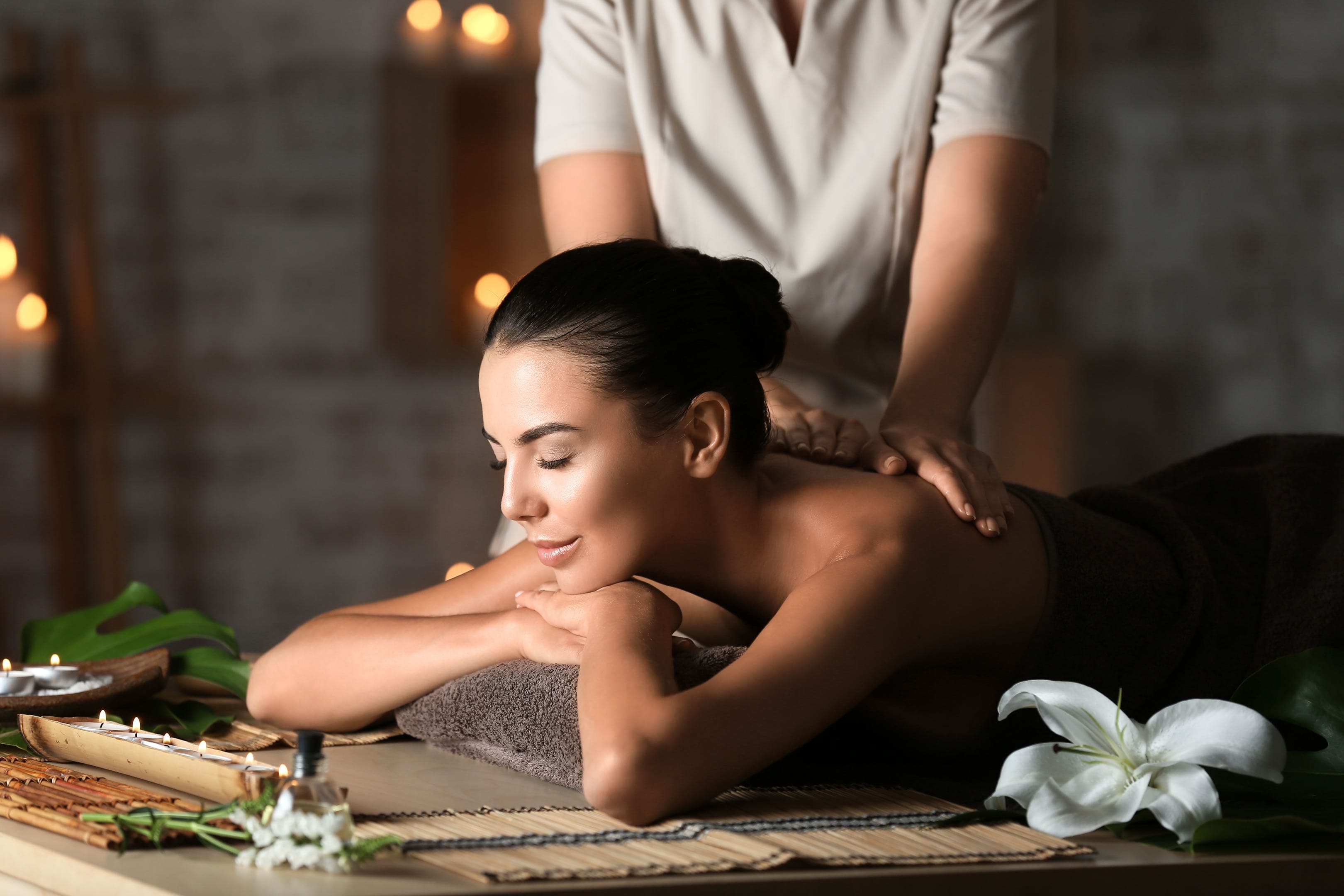
This is also the length where a beauty or wellness day becomes realistic: a head spa on your first Tokyo evening, a couples’ massage, a facial before a special dinner. Our Tokyo beauty concierge page explains how we plan those appointments around the itinerary.
Fourteen days: a journey with a final chapter
Two weeks lets the trip end somewhere quieter than it started. Many couples finish in Okinawa for a few beach days, or in Hokkaido in summer or winter for space and seasonal food. Finishing slowly makes a real difference to how the whole trip is remembered — and to how you feel on the flight home.
Longer trips also benefit most from in-trip support: changes happen, weather turns, and having someone in Japan to adjust plans saves hours of your own time.
Season changes everything
Cherry blossom season (typically late March to early April) and autumn colours (roughly mid-November to early December in Kyoto) are spectacular and very busy; ryokan and popular restaurants book up months ahead. Early summer brings the rainy season in much of the country, usually June into July. Midsummer is hot and humid in the cities. Winter is crisp, clear and quieter, and it is a wonderful time for onsen.
Japanese holiday periods — Golden Week in late April and early May, Obon in mid-August, and the New Year — are the times we most often suggest avoiding for first visits, unless your dates are fixed.
The mistakes we see most
- Too many cities: five bases in ten days looks efficient and feels like a commute.
- No buffer after long-haul arrival: plan the first evening lightly.
- Saving the ryokan for the last night: put it mid-trip, when you can enjoy it.
- Booking dinner every night: leave room for one or two evenings of wandering.
- Forgetting Japanese holidays when choosing dates.
How Glow Japan plans honeymoons
We design the route around your pace, recommend where to stay at each stage — including ryokan with private baths — and coordinate supported dining, beauty, wellness and experience reservations. You book accommodation and transport directly, so your payment, cancellation terms and loyalty benefits stay yours. See Japan honeymoon planning for how it works and which plan fits.
Questions travelers ask
- How many days do you need for a Japan honeymoon?
- Ten days is a comfortable length for Tokyo, Kyoto and a ryokan stay without rushing. Seven days works if you keep to two cities; fourteen lets you add a slower final chapter such as Okinawa or Hokkaido.
- Is Japan a good honeymoon destination?
- Very — it combines food, culture, nature, design and some of the world’s most considered hospitality, and it is safe and easy to travel. It rewards couples who travel slowly rather than trying to see everything.
- Should we stay in a ryokan on our honeymoon?
- We usually recommend at least one night. Choose one with a private bath if you would rather not use communal onsen, and place it mid-trip rather than at the very end.
Let us shape your Japan honeymoon around the two of you