The experiences visitors remember most from Japan are rarely the most famous sights. They are the night in a ryokan, the dawn prayers at a temple, the roar of a sumo hall, a festival you happened to time just right. Many of them depend on season and on booking ahead. This guide gathers the cultural experiences we most often plan around — what they involve, and when to think about them.
Stay somewhere that is an experience in itself
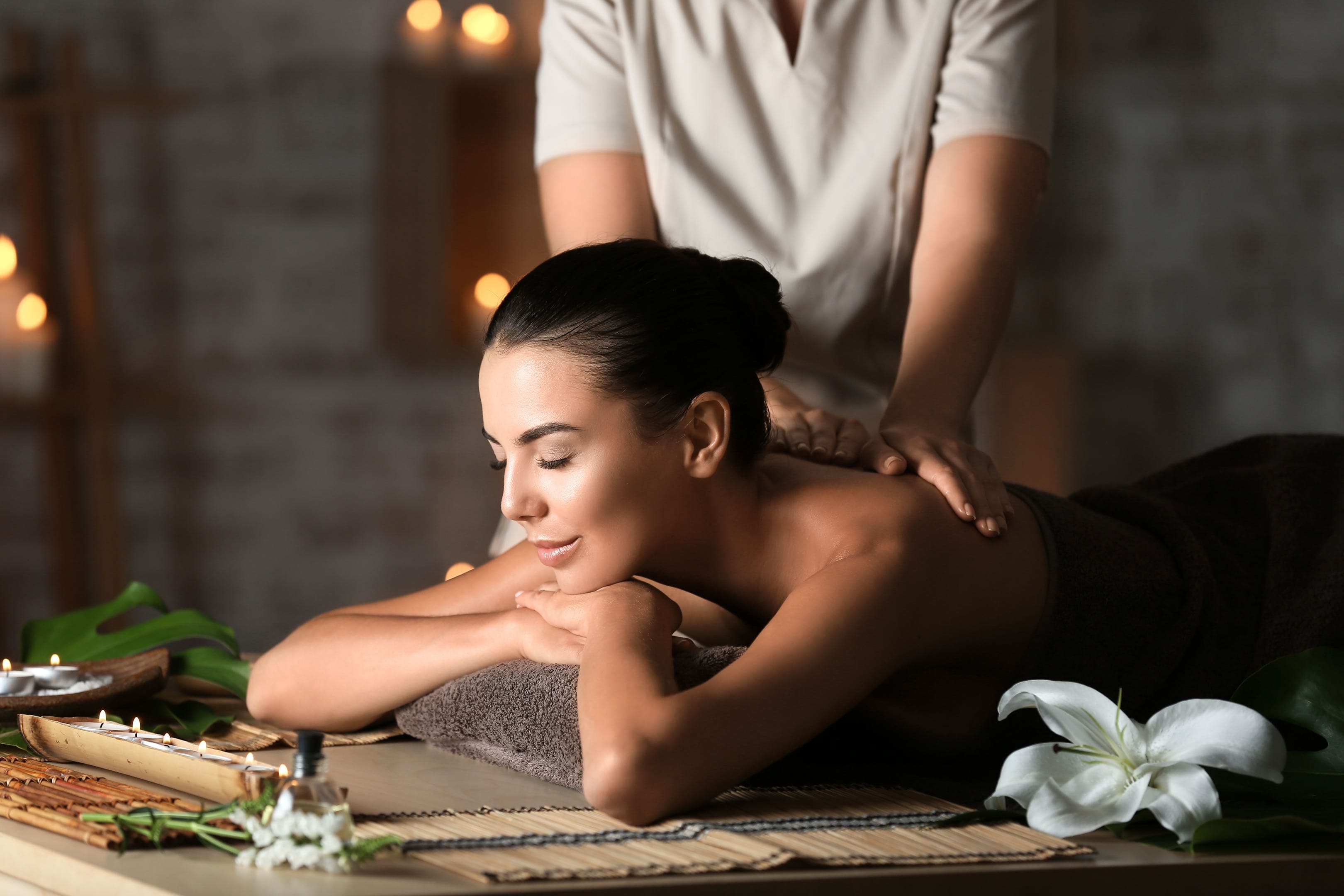
A ryokan stay — bath, seasonal dinner, futon on tatami — is the single most requested cultural experience we plan. The best are booked well ahead, especially in spring, autumn and on weekends. Our Japan wellness travel guide explains the format.
Temple lodging, known as shukubo, offers something quieter: a simple room within a temple, vegetarian temple cuisine, and the chance to join morning prayers. Mount Koya (Koyasan) in Wakayama is the best-known place to experience it.
Performances and sport
Grand sumo tournaments run for fifteen days, six times a year: in Tokyo in January, May and September, in Osaka in March, Nagoya in July and Fukuoka in November. Tickets go on sale well before each tournament and the best seats sell quickly; outside tournament months, some visitors arrange to watch morning practice instead.
Kabuki is performed year-round at Kabukiza in Ginza, Tokyo, where single-act tickets offer a shorter introduction. Noh, bunraku puppet theatre and geisha performances in Kyoto are quieter, more specialised alternatives.
Tea, craft and making something
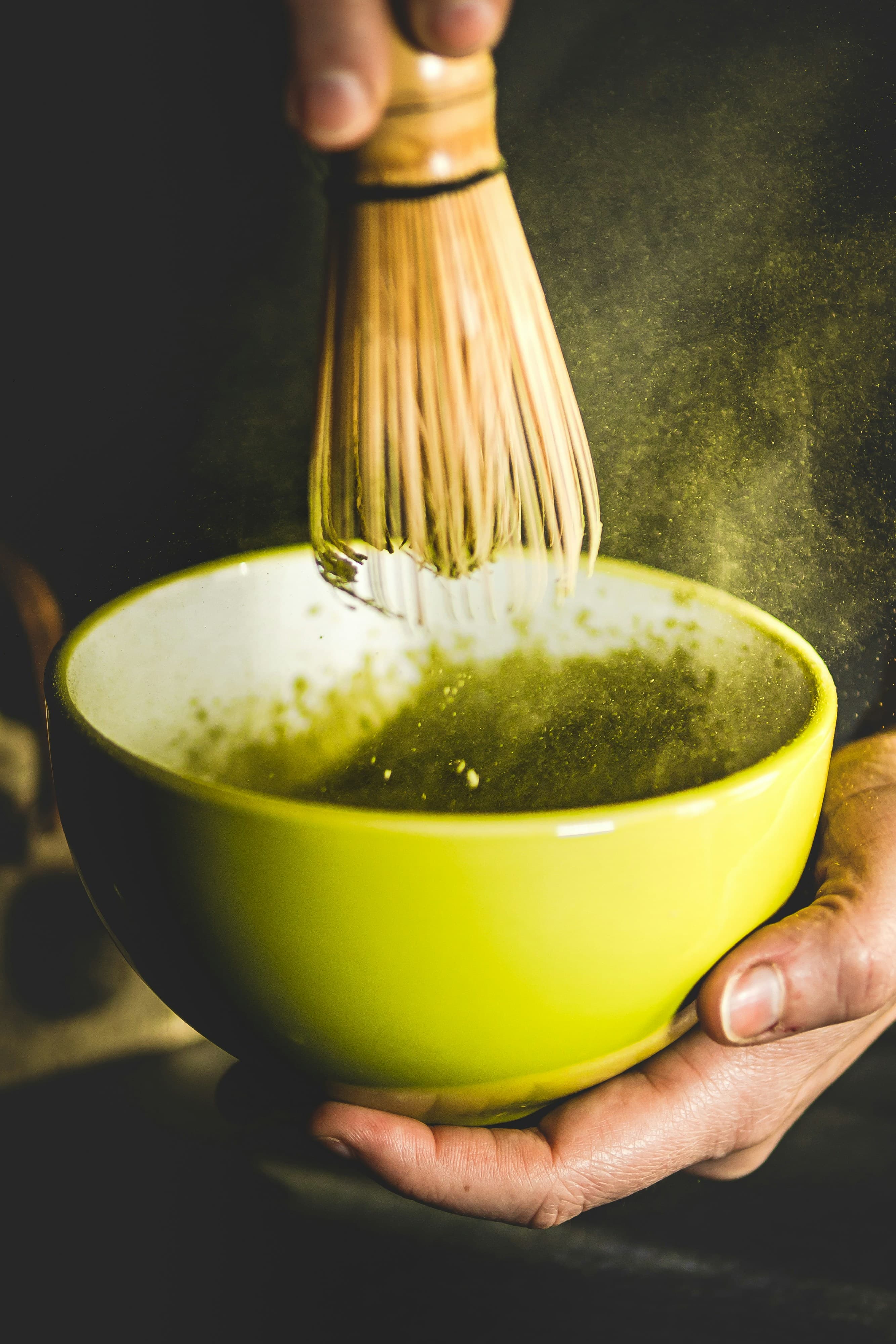
A tea ceremony, a session with a ceramicist, indigo dyeing, calligraphy or kintsugi — hands-on experiences tend to stay with people far longer than another museum. Many are run by small hosts with limited availability. In Tokyo, our guide to private experiences explains what can genuinely be arranged.
Festivals and seasonal moments
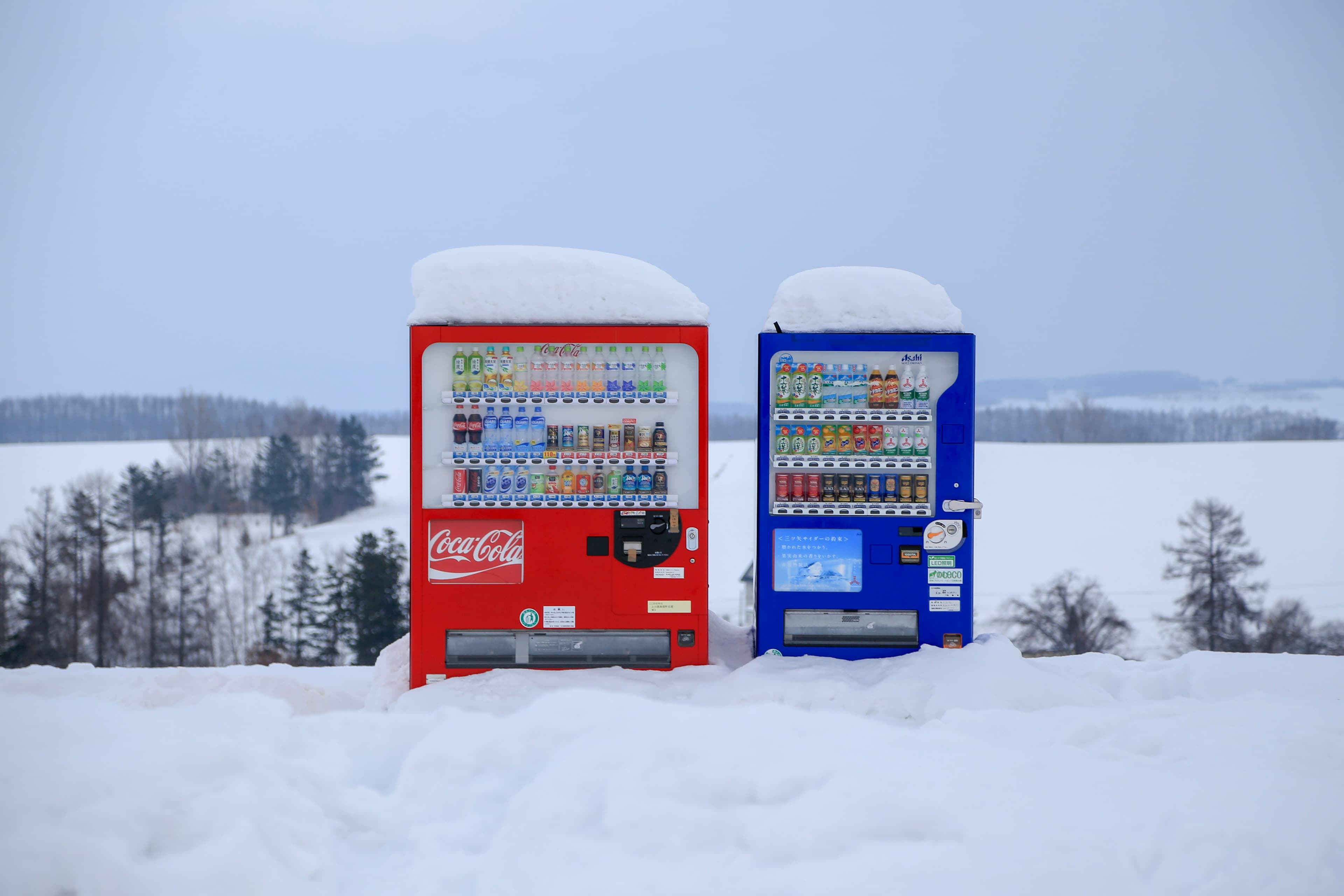
Japan’s calendar is full of festivals and seasonal rituals: cherry blossom viewing in spring, summer festivals and fireworks, autumn leaves, and winter illuminations and snow. Kyoto’s Gion Matsuri runs through July; summer brings fireworks displays across the country; winter in Hokkaido brings snow festivals. Accommodation near major festivals books out early.
Season is the single biggest factor in what a trip can include — our guide to how many days you need in Japan helps decide how much to fit around it.
Planning around availability
- Book ryokan, sumo tickets and festival-period hotels first; they shape everything else.
- Check performance and tournament calendars before fixing your route between cities.
- Leave buffer time around experiences with fixed start times.
- Respect each place’s rules on photography and dress — especially at temples and performances.
How Glow Japan helps
We match cultural experiences to your interests and dates, check what is realistically possible, coordinate supported bookings and build them into one coherent itinerary. Start with our Japan travel concierge, or bespoke Japan travel for multi-region journeys.
Questions travelers ask
- What are the most unique things to do in Japan?
- A ryokan stay, temple lodging, a sumo tournament, kabuki, a tea ceremony or craft workshop, and timing your trip to a festival or seasonal moment are among the experiences visitors remember most.
- When are sumo tournaments held?
- Six times a year for fifteen days each: Tokyo in January, May and September, Osaka in March, Nagoya in July and Fukuoka in November.
- Can tourists stay at a temple in Japan?
- Yes. Temple lodging (shukubo) is available at a number of temples, most famously on Mount Koya, with vegetarian meals and the option to join morning prayers.
Build Japan’s best experiences into your trip