“Spa” covers a lot of ground in Japan. Some experiences are ancient and communal; others are modern and private; some are about water, others about touch or heat. Knowing the difference makes it much easier to choose what fits your trip — and to feel comfortable when you arrive. This guide explains the main types in plain terms.
Onsen: natural hot springs
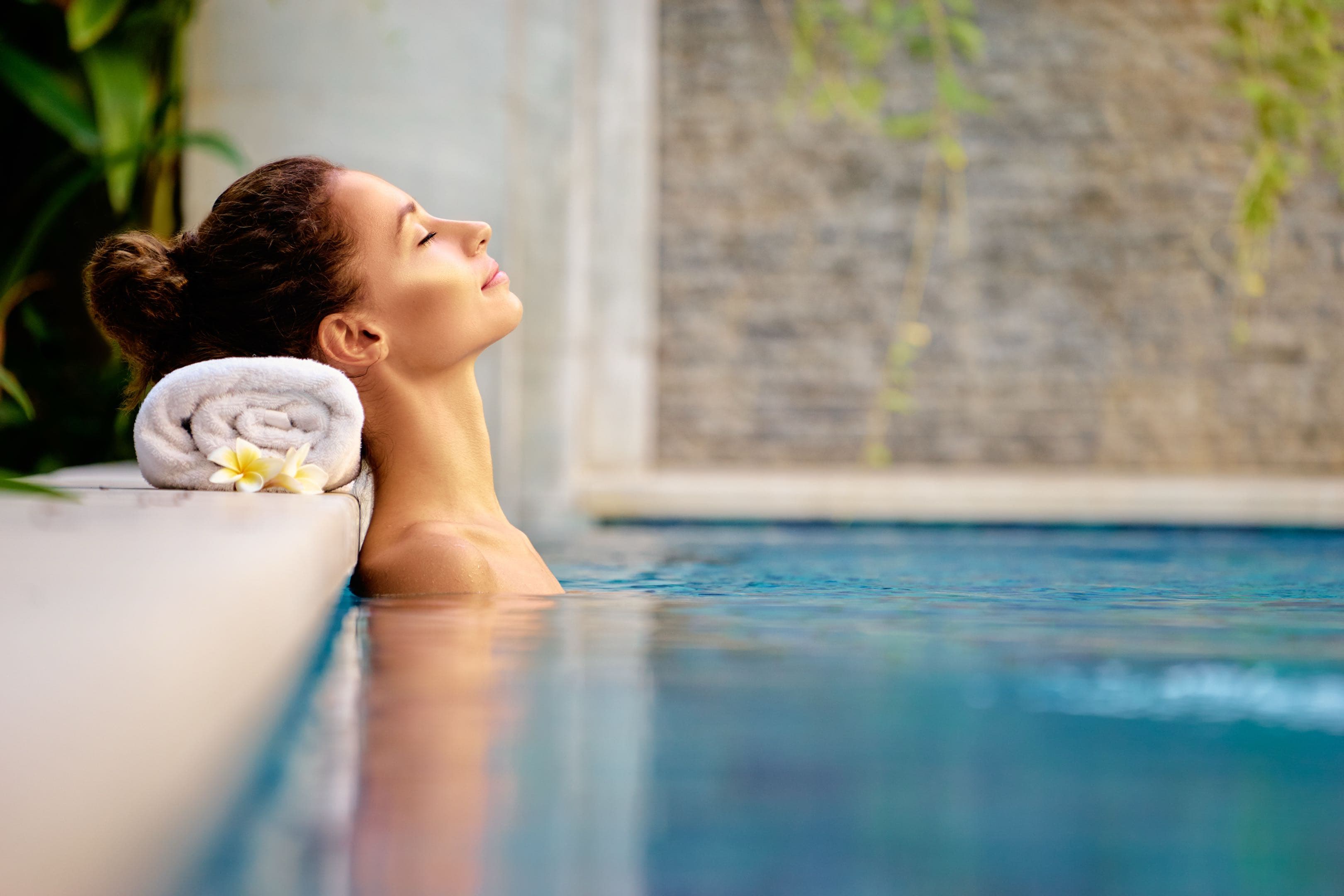
An onsen is a bath fed by naturally heated spring water, and Japan has thousands of them. They range from simple village bathhouses to elegant ryokan baths with mountain or sea views. Outdoor baths are called rotenburo. Mineral content varies by source, and many onsen describe the qualities of their water.
Communal onsen are usually separated by gender and bathed in without swimwear. Many ryokan also offer private-use baths (often called kashikiri) or rooms with their own bath — a good option for couples, families, or anyone who prefers privacy. Our Japan wellness travel guide covers onsen etiquette and the ryokan format.
Sento and modern bathing facilities
Sento are neighbourhood public bathhouses, traditionally using heated tap water rather than spring water. They are part of everyday life and a lovely, low-key way to experience bathing culture in a city. Larger bathing complexes add multiple baths, saunas and relaxation areas, and are popular for a long afternoon.
Massage, shiatsu and bodywork
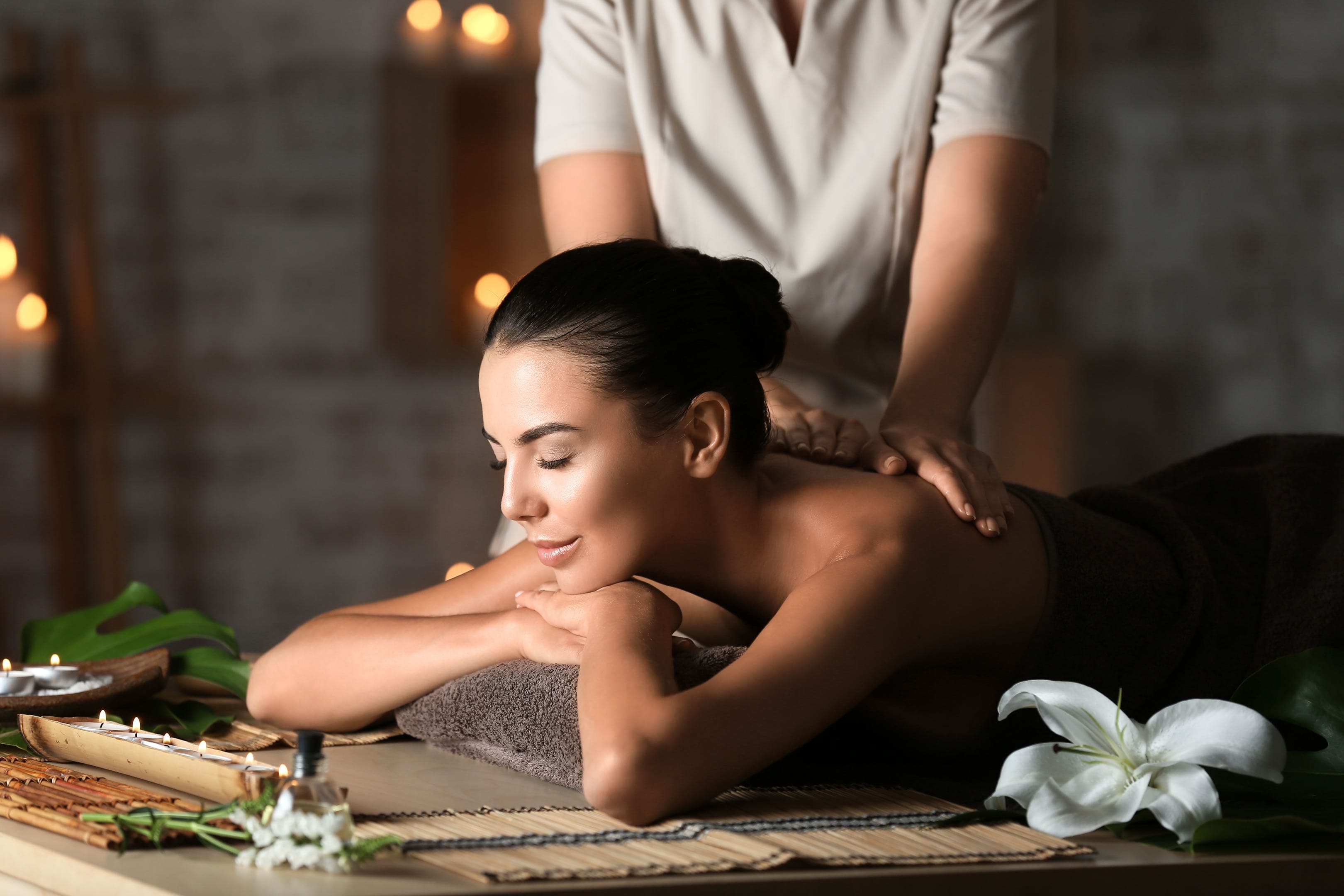
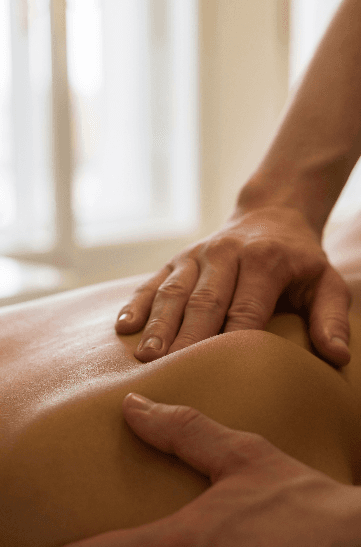
Shiatsu is a Japanese bodywork technique using finger and palm pressure along the body, usually performed on a futon or mat with the guest clothed. Oil-based massage, reflexology and other techniques are widely available in hotel spas and independent studios. Licensing and styles vary; it is worth knowing whether you want relaxation or more therapeutic pressure before booking.
Head spa
A Japanese head spa combines scalp cleansing, a long scalp and neck massage and a treatment product — part beauty, part deep relaxation. It is one of the experiences visitors most often say they want to repeat. Read our full Tokyo head spa guide.
Bedrock baths and heat
Ganbanyoku, or bedrock bathing, involves lying on heated stone slabs in a warm room, usually in loose clothing provided by the facility. Saunas are increasingly popular in Japan too, often paired with cold plunges and rest areas. Both are gentle ways to warm up in winter.
Etiquette that applies almost everywhere
- Wash thoroughly at the shower stations before entering any shared bath.
- Keep towels out of the bath water; a small towel can rest on your head.
- Tie up long hair so it doesn’t touch the water.
- Check tattoo policies in advance — they vary, and private baths are an easy alternative.
- Drink water and avoid long soaks after alcohol.
Choosing what suits you
If you want privacy, choose a ryokan with a private bath and a hotel spa treatment. If you want culture, try a sento in a characterful neighbourhood. If you want to recover from a long flight, book a head spa or massage on your first evening. Glow Japan plans these into the trip as a whole — see luxury wellness in Japan.
Questions travelers ask
- What is the difference between an onsen and a sento?
- An onsen uses naturally heated spring water; a sento is a neighbourhood public bathhouse traditionally using heated tap water. Etiquette is similar for both.
- Do you wear a swimsuit in a Japanese onsen?
- Not in communal onsen, which are bathed in without swimwear and are usually separated by gender. Private baths let you bathe however you are comfortable.
- What is shiatsu?
- A Japanese bodywork technique using finger and palm pressure, usually performed with the guest clothed on a futon or mat.
Build spa and onsen time into your trip