Tokyo has a reputation for intensity, and it can be intense. But the city is also full of rituals of rest — the evening bath, the morning garden, tea taken slowly — that residents use to stay sane in a city of millions. A wellness-minded Tokyo stay borrows those rituals. It doesn’t require leaving the city; it requires planning the city differently.
Baths: sento, onsen-style facilities and hotel spas
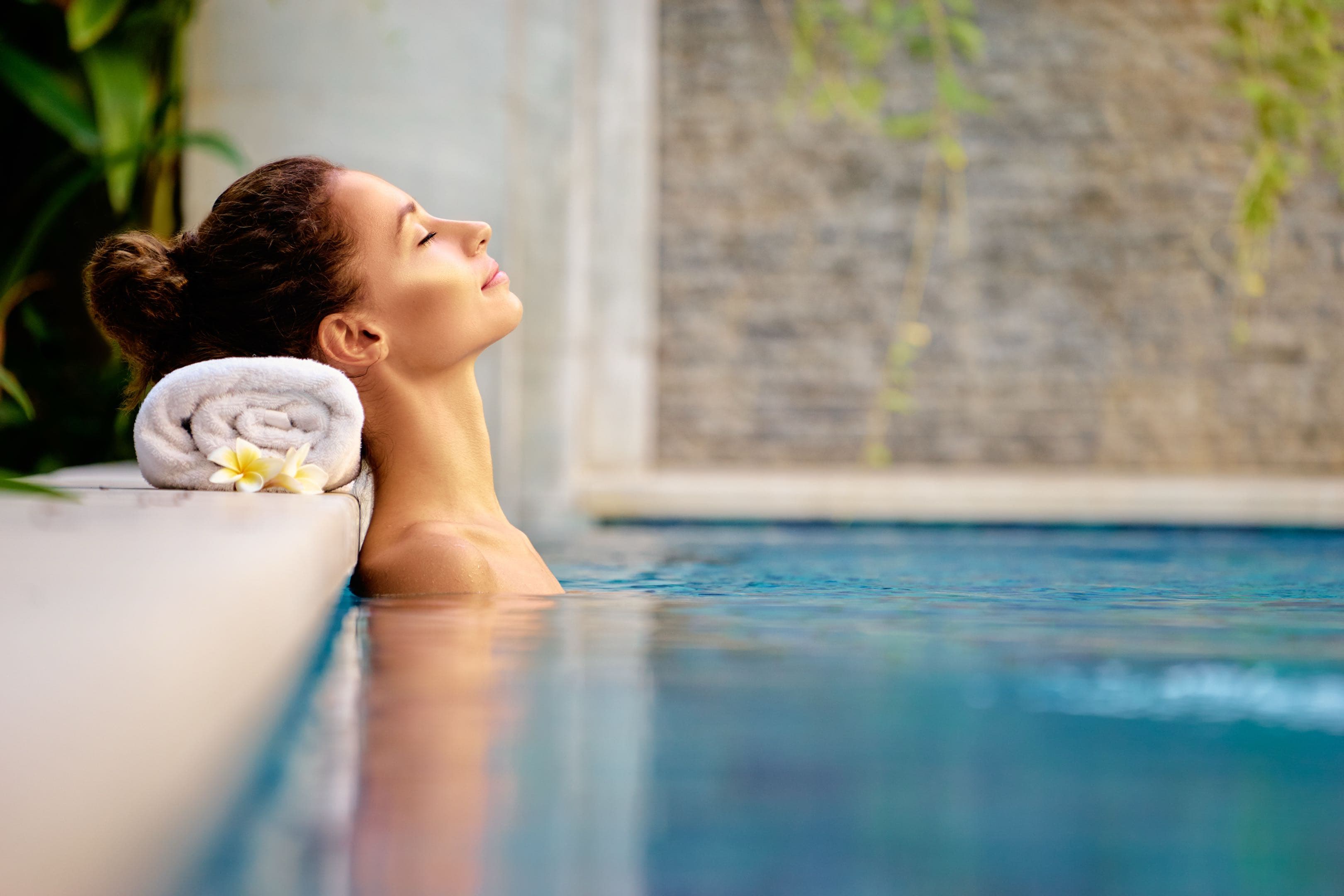
Bathing is the simplest wellness ritual in Japan. Neighbourhood public bathhouses, known as sento, are still found across Tokyo — some traditional, some beautifully renovated. Larger bathing facilities offer multiple baths and saunas. Hotel spas provide privacy and treatments, often with views.
Etiquette matters: wash thoroughly before entering a bath, keep towels out of the water, and bathe without swimwear in communal baths. Tattoo policies vary by facility. Our Japanese spa treatments guide explains the differences between bathing styles and treatments.
Gardens and green space, early
Tokyo’s great gardens are at their best in the first hour after opening, before tour groups arrive. Large parks such as Shinjuku Gyoen and Yoyogi give you space to walk; traditional landscape gardens reward slow attention. Many of the city’s shrines are surrounded by trees and are calm early in the day.
An early garden, a simple breakfast and a slow return to the hotel is one of the best ways to start a Tokyo day — and to reset after jet lag.
Treatments that restore
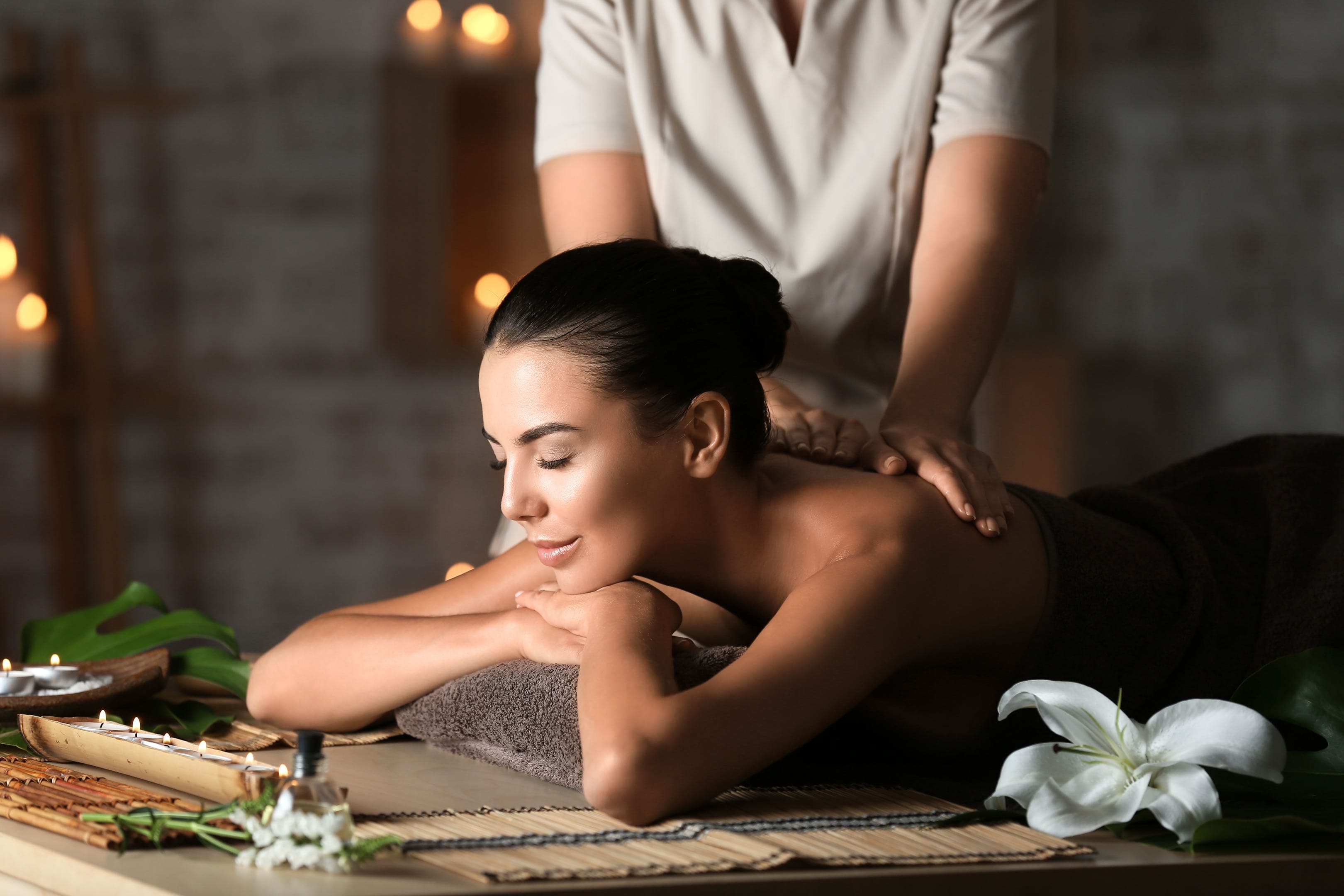
Massage, bodywork and facials are widely available, from hotel spas to small independent studios. The head spa deserves special mention: it is uniquely Japanese and one of the most effective ways to unwind after a long flight. Book treatments for late afternoon, followed by a quiet dinner nearby rather than a trip across the city.
Food and tea as part of feeling well
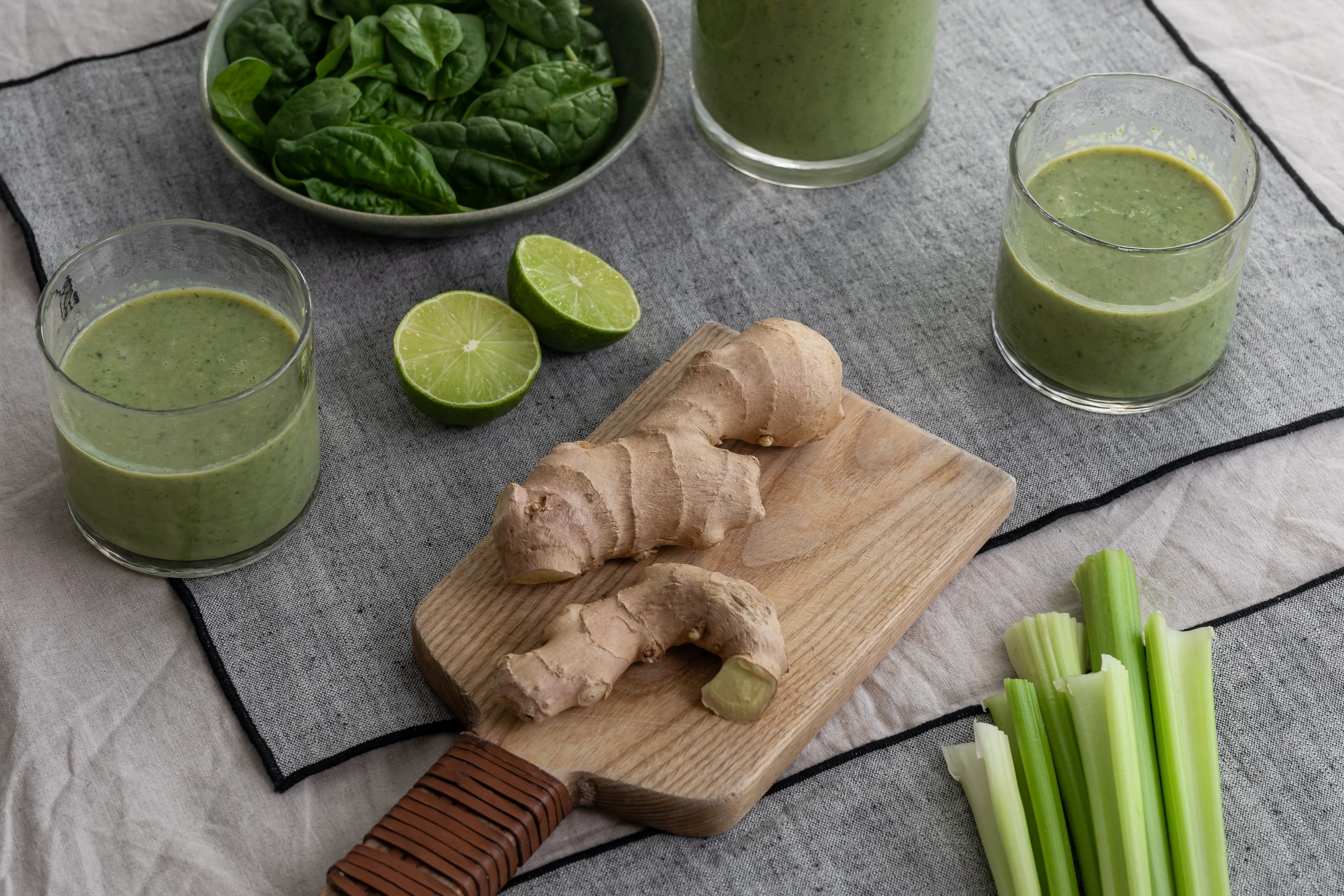
Japanese food can be one of the gentlest parts of a trip: seasonal vegetables, fish, rice, soups and fermented foods in modest portions. Shojin ryori — the vegetable-based cooking associated with Buddhist temples — is available in some restaurants and temples. Tea is everywhere, from casual matcha cafés to formal tea experiences.
Alternate rich dinners with lighter ones, and you will feel the difference by the end of the week.
Pacing: the part most itineraries miss
Wellness in Tokyo is mostly about subtraction. Base yourself in one neighbourhood rather than moving hotels. Group sights by area so you are not crossing the city repeatedly. Leave one half-day each day unplanned. If you want deeper rest, add a night or two at a hot spring outside the city — our Japan wellness travel guide covers onsen and ryokan.
How Glow Japan plans wellness in Tokyo
We plan Tokyo around how you want to feel: where to stay, which treatments to book and when, quieter neighbourhoods and gardens, and dining that balances indulgence and rest. Supported spa and wellness reservations are coordinated for you. See luxury wellness in Japan.
Questions travelers ask
- What is a sento?
- A neighbourhood public bathhouse. Bathers wash first at individual stations, then soak in shared baths. Many are traditional; some have been beautifully renovated.
- Can Tokyo be a relaxing trip?
- Yes, with the right pacing: one base, sights grouped by area, early gardens, a spa afternoon and lighter meals. Adding a night at a nearby hot spring helps too.
Plan a restorative stay in Tokyo