Eating well in Japan rarely requires a reservation — until it does. Most of the country’s best food is served in places you can simply walk into. But a small group of restaurants, often counter-only with a handful of seats, are booked weeks or months ahead and can be genuinely difficult to reach from abroad. Here is how it works, and how to approach it.
Which restaurants need a reservation
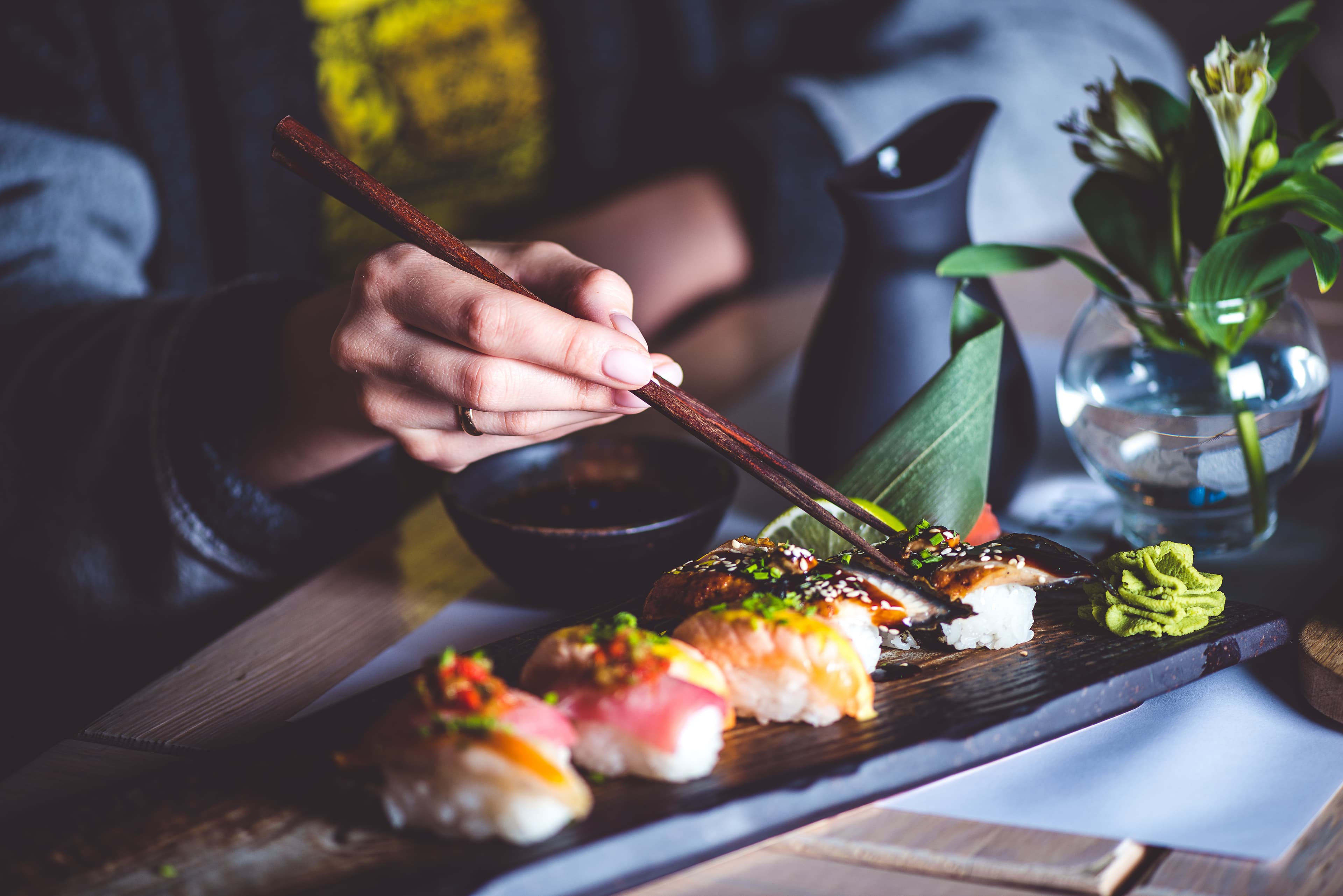
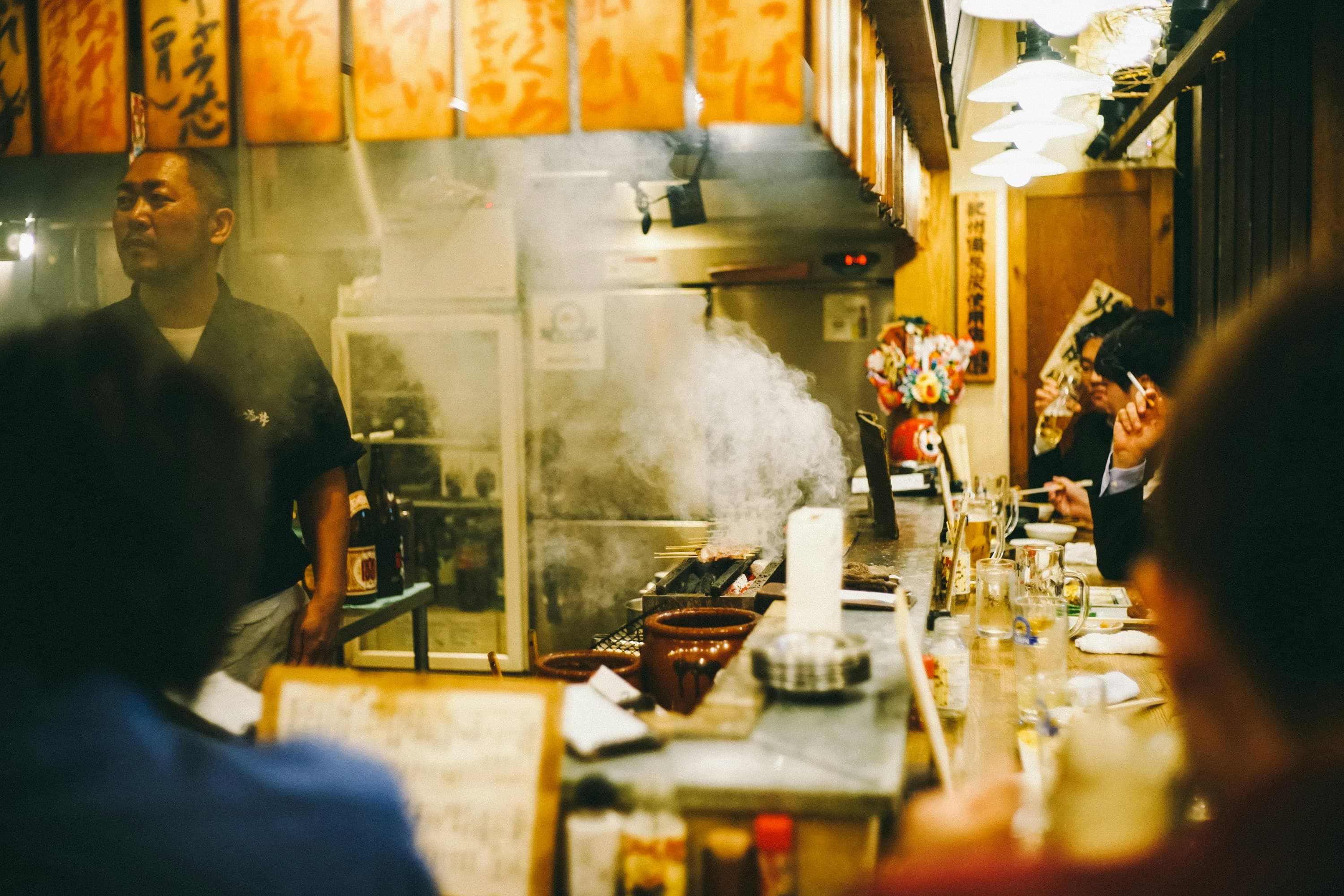
Ramen shops, izakaya, cafés, department-store food halls and most casual restaurants work on a walk-in basis; some popular ones simply have a queue. Reservations matter for sushi and kaiseki counters, highly rated restaurants with few seats, and any dinner you are planning around a special occasion.
Small seat counts are the reason. A counter of eight or ten seats, with a set menu prepared for each sitting, has very little flexibility — which is also why punctuality and cancellations are taken seriously.
How travelers can book
- Restaurant websites. Some take online bookings directly; browser translation usually makes the forms manageable.
- Reservation platforms. Services such as TableCheck, Tabelog, OMAKASE and Pocket Concierge list many restaurants; availability for visitors, and the information required, varies by restaurant.
- Your hotel concierge. Many restaurants prefer bookings through a hotel, particularly for guests who do not speak Japanese.
- Phone. Some restaurants accept reservations only by phone, in Japanese.
- Introduction-only. A few restaurants accept new guests only through an existing customer or a trusted intermediary, and some do not accept bookings from overseas at all.
Cancellation policies and card guarantees
Expect to be asked for a card to guarantee your seat, or a deposit, at higher-end restaurants. Cancellation fees are common and can be the full price of the set menu if you cancel late or do not arrive. Read the terms before you confirm, and cancel as early as possible if your plans change — the restaurant will usually have bought ingredients for your sitting.
Etiquette that keeps a booking smooth
- Arrive on time. At counter restaurants the meal often starts together for everyone at the sitting; arriving late can affect your meal and other guests.
- Share dietary needs and allergies when you book, not when you sit down. Set menus are prepared in advance, and some kitchens cannot adapt on the day.
- Book for the exact number of people, and let the restaurant know early if that changes.
- Check whether children are accepted and whether there is a dress expectation before booking a special dinner.
Planning dining around the rest of your trip
The best dinner reservation in the wrong part of town can unravel a day. Build the itinerary around the bookings you most want, then let lunch and the rest of the evenings stay flexible. Many travelers find one or two exceptional reservations, and the freedom to wander for the rest, is the right balance. For timing, see what to book before your Japan trip.
Where Glow Japan fits
We choose restaurants for the kind of evening you want and coordinate reservations where the restaurant allows, including Japanese-language communication and dietary details. Availability is always set by the restaurant, and you pay the restaurant directly. See our Japan dining concierge for how we plan meals, the Japan travel concierge page for the full trip, or celebrate something specific with special occasions in Japan.
Questions travelers ask
- Do I need reservations for restaurants in Japan?
- Not for most. Casual restaurants, ramen shops and izakaya generally take walk-ins. Reservations are important for sushi and kaiseki counters, small highly rated restaurants and special-occasion dinners.
- How far ahead should I book a restaurant in Japan?
- For sought-after counters, as soon as bookings open — often one to two months ahead, sometimes more. Popular mid-range restaurants are usually fine a few weeks ahead.
- What happens if I cancel a restaurant reservation in Japan?
- Policies vary, but cancellation fees are common at higher-end restaurants, especially for late cancellations and no-shows. Check the terms before booking and cancel as early as possible.
Let us plan your dining in Japan