Japan rewards a little planning and punishes very little spontaneity — most of the country runs smoothly without reservations. The trick is knowing the handful of things that do sell out, and when. This guide sorts bookings by urgency, so you can secure what matters and leave the rest of the trip room to breathe.
First, the things that shape everything else
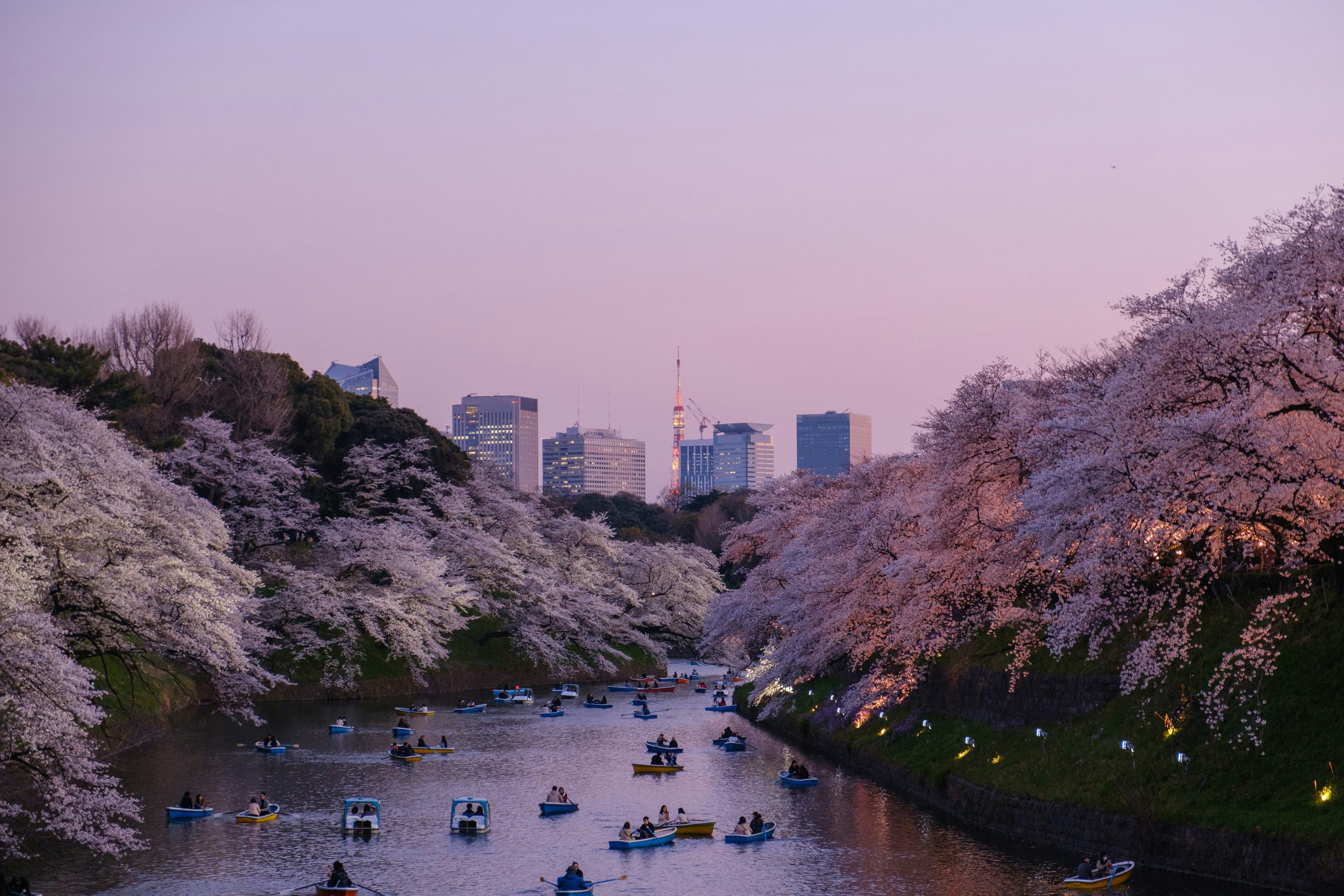
Flights and where you stay are the two decisions that fix your dates and your route, so they come first. Book them before anything with a time slot. If you are travelling in cherry-blossom season, autumn colours, Golden Week (late April to early May), mid-August or over New Year, start earlier than you think you need to: rooms in central Tokyo and Kyoto, and especially well-regarded ryokan, can go quickly.
Choose your areas before your hotels. Where you sleep decides how much of each day is spent travelling — our guide to where to stay in Tokyo explains how to match a neighbourhood to the kind of trip you want.
Book as soon as reservations open
A small number of things are allocated in advance and simply cannot be bought on the day. If any of these matter to you, note when sales open and book then.
- Highly sought-after restaurants. Many top counters release seats one to two months ahead through their own systems or reservation platforms; some take bookings only through a hotel concierge or a returning guest. See how restaurant reservations work in Japan.
- Timed-entry attractions. The Ghibli Museum in Mitaka, for example, admits visitors only with an advance ticket — tickets for the following month go on sale at 10:00 Japan time on the 10th of each month, and none are sold at the museum.
- Ryokan with private open-air baths or kaiseki dinners, particularly at weekends and in peak seasons.
- Special-occasion experiences: private tea ceremonies, kimono sessions or anything for a proposal or anniversary, where the host’s calendar is limited.
Book a few weeks ahead
These are worth securing once your itinerary is settled, roughly two to six weeks before you travel.
- Beauty and wellness appointments — head spa, hair, nails, skincare and massage — especially at weekends and at salons with English-speaking staff. Our head spa guide explains what to look for.
- Mid-range and popular neighbourhood restaurants for the evenings that matter most, such as your first and last nights.
- Guided experiences, classes and workshops with small group sizes.
- Shinkansen seats on busy dates. On ordinary weekdays you can often reserve close to departure; at peak holidays, reserve as soon as your line’s booking window opens.
What can usually wait until you arrive
Leaving parts of the trip unbooked is not a failure of planning — it is what makes a day in Japan feel like your own.
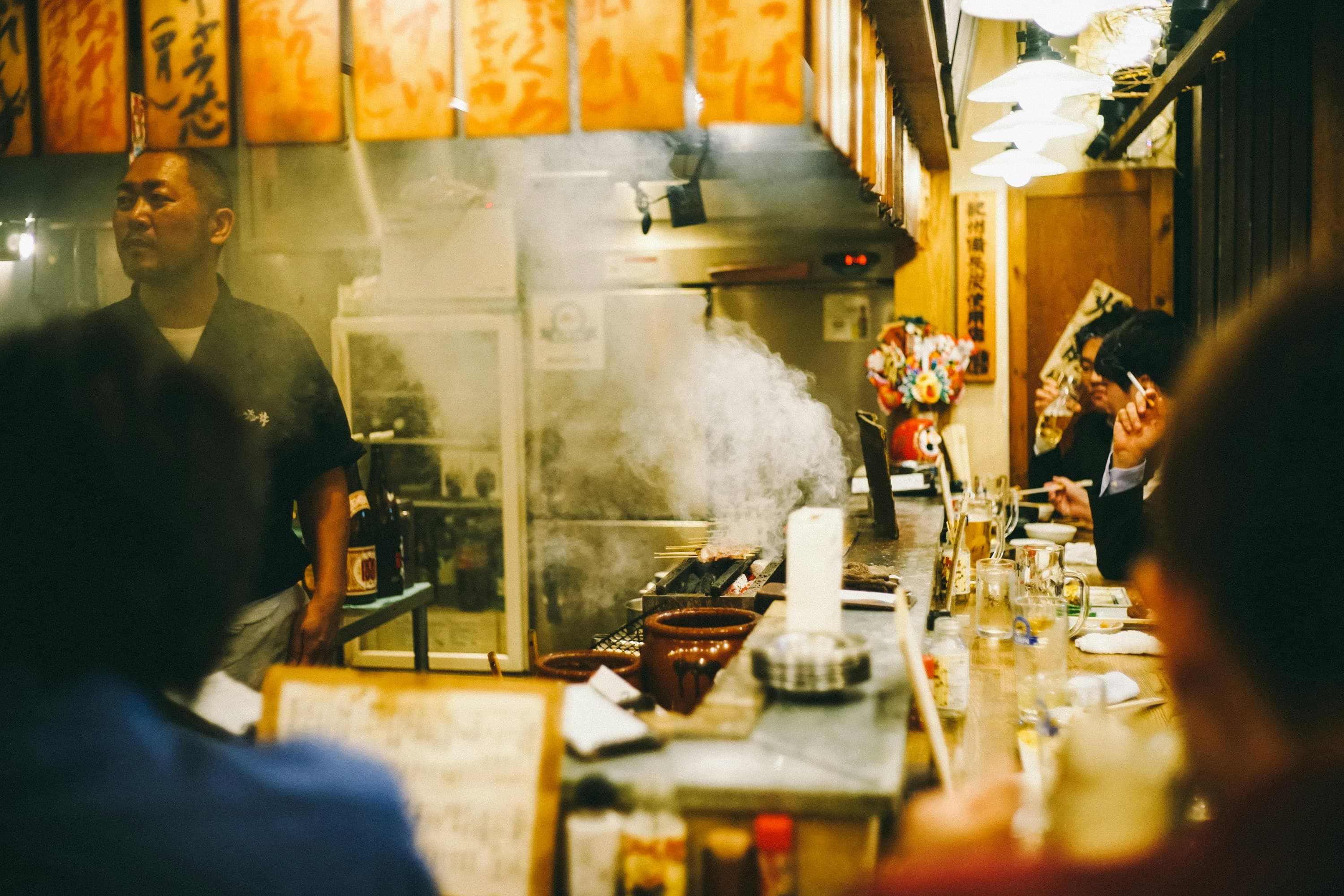
- Casual dining: ramen, izakaya, cafés and food halls generally work on a walk-in basis.
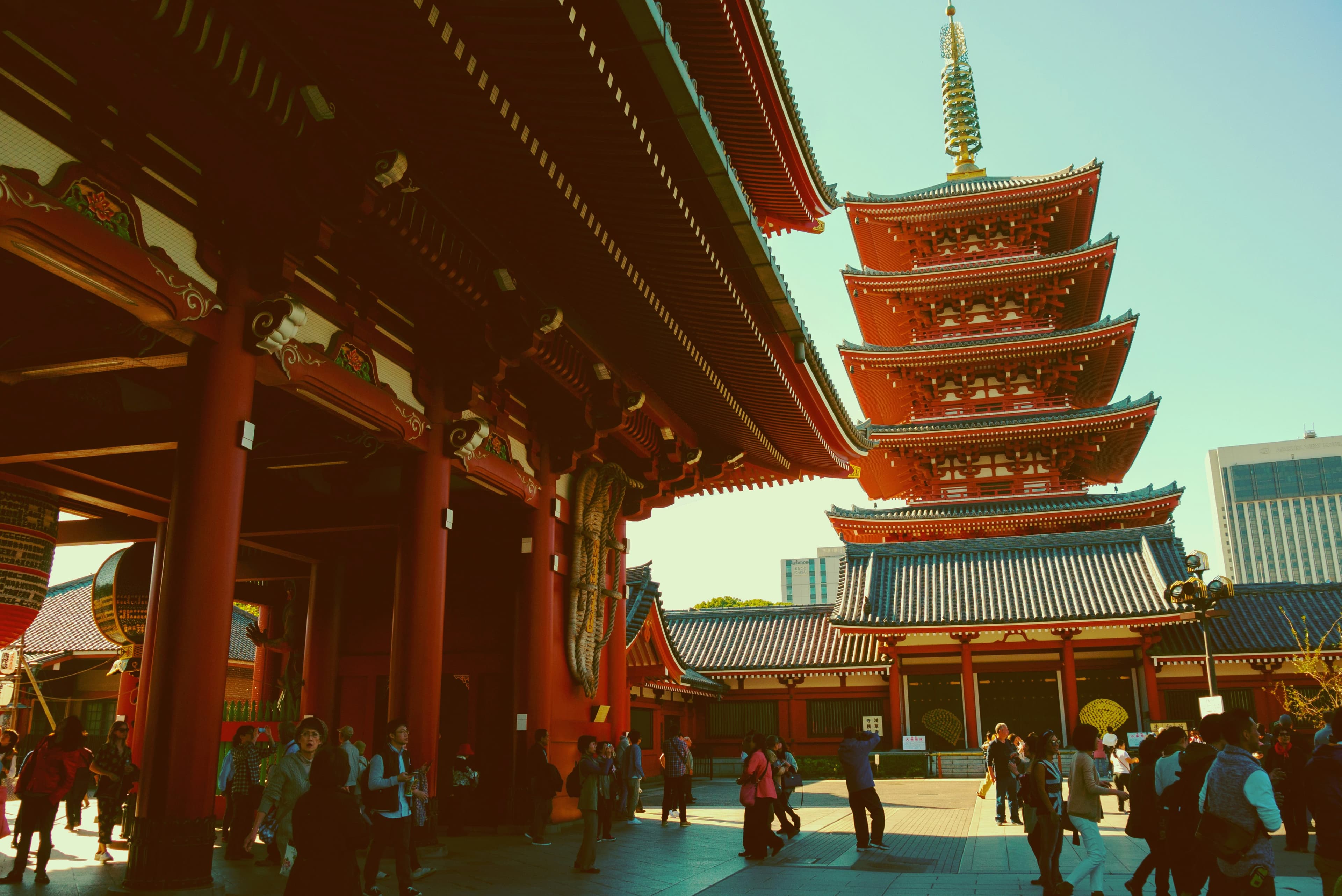
- Most temples, shrines, gardens and museums, which sell tickets at the entrance.
- Local trains, subways and buses, using a rechargeable IC card or a mobile wallet.
- Shopping, which is better done with time than with a schedule.
Before you fly: a short practical checklist
- Check the entry requirements for your nationality with the official sources for your country.
- Complete Visit Japan Web, the Japanese government’s free online service for immigration and customs procedures, before landing; it produces a QR code to show at participating airports.
- Arrange mobile data (an eSIM or pocket Wi-Fi) so maps and translation work from the moment you land.
- Tell your card issuer you are travelling, and carry some cash: card acceptance is widespread in cities but not universal at small restaurants and rural stops.
- Save the confirmation details of every reservation in one place, including the restaurant’s or provider’s cancellation terms.
Where Glow Japan fits
The hardest part of booking Japan is rarely the booking itself — it is knowing which handful of reservations are worth fighting for, and fitting them into days that still flow. That is what we do. We design the itinerary, flag what needs to be booked and when, and handle reservation requests for supported dining, beauty, wellness and experience bookings, while you keep control of hotels and flights. See how it works on our Japan travel concierge page.
Questions travelers ask
- How far in advance should I plan a trip to Japan?
- For most trips, two to three months gives you good choice of hotels and the restaurants that matter. For peak seasons, highly sought-after restaurants or popular ryokan, start three to six months ahead.
- Do I need to book restaurants in Japan before I go?
- Only for the restaurants you would be truly disappointed to miss — high-end counters, popular kaiseki and special-occasion dinners. Most casual places work on a walk-in basis.
- Can I buy Ghibli Museum tickets at the door?
- No. The museum admits visitors only with advance tickets. Sales for the following month open at 10:00 Japan time on the 10th of each month.
Let us plan what to book, and when