"Where should I stay in Tokyo?" is one of the first questions almost every traveler asks, and it rarely has one right answer. Tokyo is really a collection of very different neighborhoods, and the right stay depends more on how you plan to move through the city than on any single hotel's reputation. This is a framework for thinking it through, not a ranked list — Glow Japan can recommend hotels and areas that fit your plans, though hotel booking itself is handled directly by you or your preferred channel.
Start from your itinerary, not the map
Tokyo's train network makes almost anywhere reachable, but staying near the parts of the city you'll actually use daily still saves meaningful time. A trip built around shopping and nightlife points toward Shibuya or Shinjuku; a quieter, more residential pace often suits Meguro or Yanaka better; first-time visitors prioritizing convenience often lean toward well-connected hubs like Tokyo Station's surrounding area.
Tokyo neighborhoods, and who each one suits
These are the areas visitors most often consider. Each has a different character, and the best choice is usually the one closest to how you plan to spend your days.
- Marunouchi and Tokyo Station — polished, calm in the evenings and exceptionally well connected, including Shinkansen departures. A strong choice for first visits and for trips with day excursions.
- Ginza and Nihonbashi — department stores, flagship boutiques, beauty floors and excellent dining within walking distance. Good for shoppers and food-focused trips.
- Shinjuku — a major transport hub with every kind of hotel, lively at night and practical for trips to Hakone or the west of Tokyo. It can feel overwhelming if you prefer quiet.
- Shibuya — energetic, fashion-led and young, with easy access to Harajuku and Omotesando. Ideal if shopping and nightlife are priorities.
- Omotesando and Aoyama — design, fashion, cafés and many of Tokyo’s well-known hair salons and beauty studios. Quieter and more refined than Shibuya next door.
- Roppongi and Akasaka — international, with art museums, skyline views and many large luxury hotels; convenient by taxi.
- Ebisu, Daikanyama and Nakameguro — residential, stylish and relaxed, with independent shops and good restaurants. Lovely for a slower, local-feeling stay.
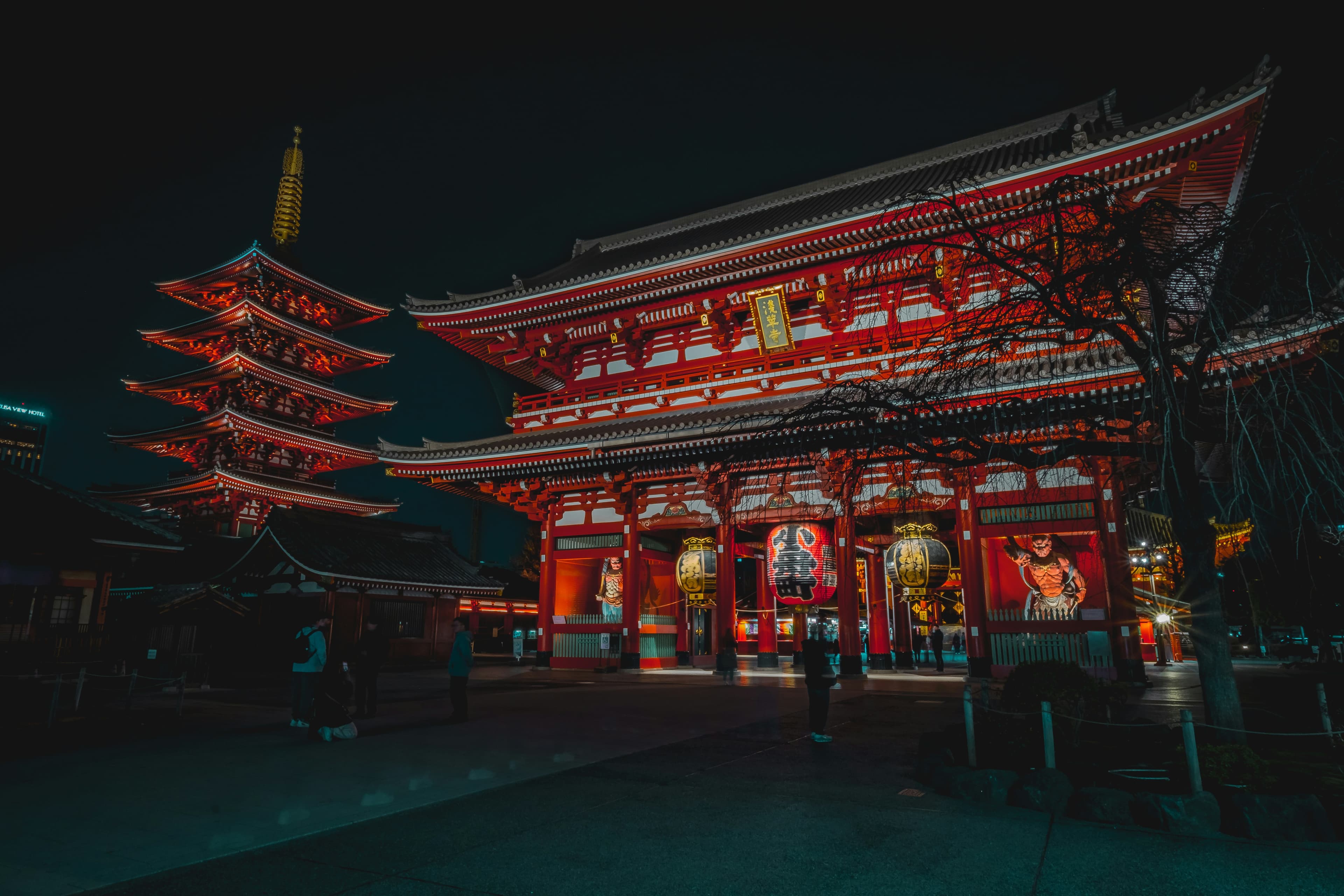
- Asakusa and Ueno — older Tokyo, temples, museums and traditional streets, with a calmer pace in the evening. A good counterpoint if you have already stayed in central Tokyo.
Luxury hotels, ryokan-style inns and boutique properties each do something different
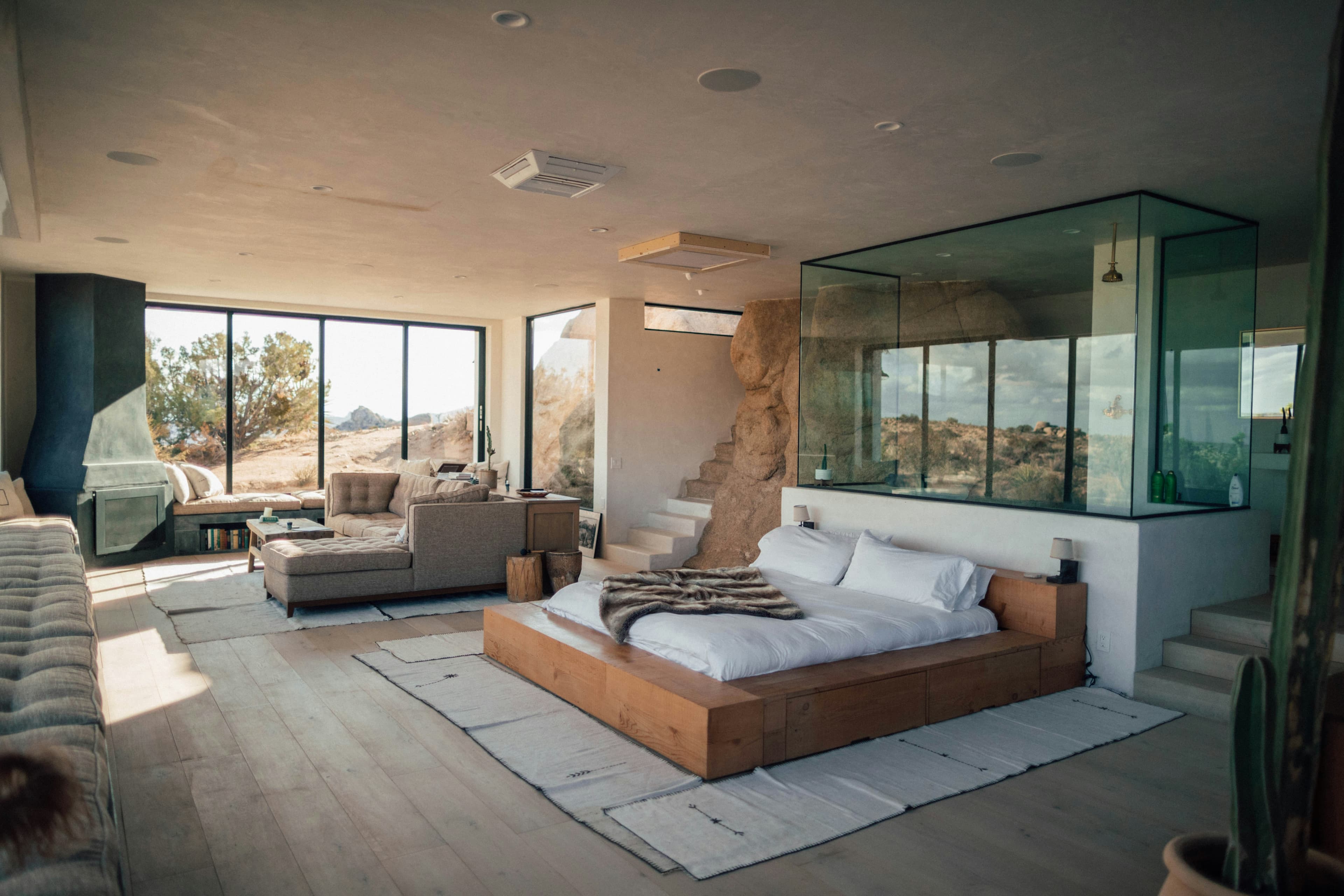
A luxury hotel in Tokyo tends to mean space, skyline views and full-service amenities — a favorite for travelers who want a dependable, high-comfort base. A ryokan-style inn, even within the city, leans into tatami rooms, in-house baths and a slower rhythm, and can be a lovely way to experience that tradition without leaving Tokyo. Boutique and design-forward hotels split the difference, often prioritizing a distinctive interior and a smaller, more personal scale over sheer size.
None of these is objectively "best" — it depends on what you want the hotel itself to contribute to the trip, versus how much time you expect to spend out exploring.
Matching the stay to the kind of trip
For a honeymoon or anniversary, a quieter area such as Marunouchi, Akasaka or Ebisu with a hotel that has a good bar or view often works better than the busiest hubs — see our Japan honeymoon itinerary. For a beauty-focused trip, staying near Omotesando, Aoyama or Ginza puts many salons and beauty floors within walking distance; our Tokyo beauty concierge plans appointments around where you stay. For a restful trip, choose one base and keep it; our Tokyo wellness guide explains why.
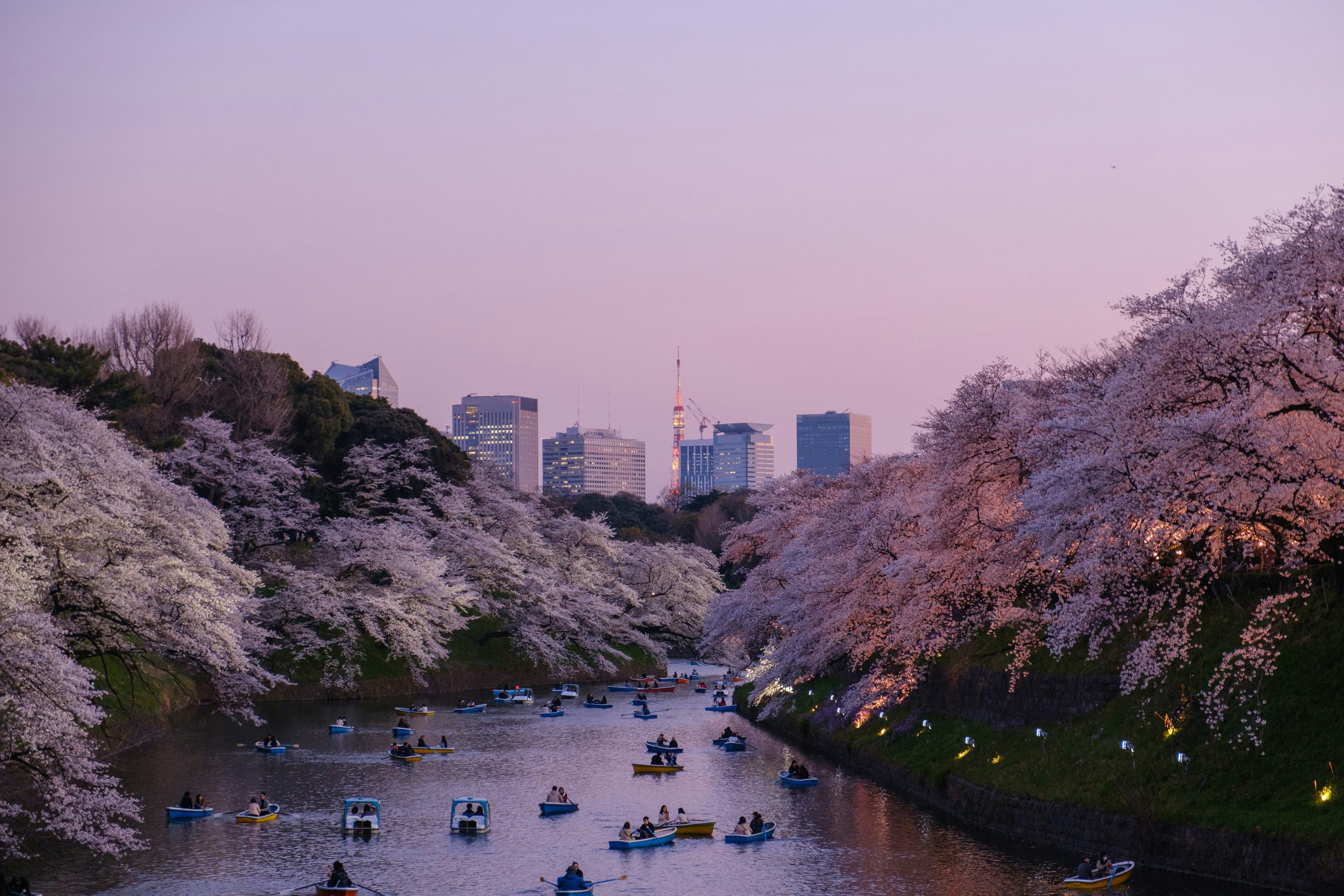
Price and availability shift sharply in cherry blossom season, autumn and Japanese holiday periods, so book early for those dates.
A note on how Glow Japan fits in
Glow Japan may recommend hotels and areas that suit your travel style, pace and budget, but does not directly sell or book accommodation. Once you've chosen a direction, you keep control of the actual reservation and payment method — we simply help you get to a shortlist worth considering faster.
Questions travelers ask
- What is the best area to stay in Tokyo for first-time visitors?
- Areas with excellent transport links — Marunouchi near Tokyo Station, Ginza, Shinjuku or Shibuya — are the easiest for a first visit. Choose based on whether you prefer calm (Marunouchi, Ginza) or energy (Shinjuku, Shibuya).
- Where should couples stay in Tokyo?
- Quieter, polished areas such as Marunouchi, Akasaka, Ebisu or Daikanyama suit couples who want calm evenings, while still being close to good restaurants.
- Is it better to stay in Shinjuku or Shibuya?
- Shinjuku is the bigger transport hub and practical for day trips west; Shibuya is more fashion-led and closer to Harajuku and Omotesando. Both are lively at night.
Get personalized Tokyo hotel and area recommendations